Here on the Eastern Shore, blue crabs are our specialty — see what's steaming today on our menu.
Introduction to Mahimahi
Common Names: Mahimahi, Dorado, Dolphinfish
Scientific Name: Coryphaena hippurus
Names in Key Languages:
- Spanish: Dorado
- French: Dorade coryphène
- Italian: Lampuga
- German: Goldmakrele
- Japanese: シイラ (Shiira)
- Portuguese: Dourado
Mahimahi is a dazzling fish known for its vivid colors and impressive speed, making it a prized catch in sport fishing and a beloved feature on menus worldwide. Inhabiting the tropical and subtropical waters of the planet, Mahimahi is as visually captivating in the ocean as it is appetizing on a plate. With a texture that’s both lean and firm and a flavor that hints at sweetness, Mahimahi is versatile in the kitchen. Whether prepared grilled, baked, or sautéed, it presents a delectable dining option that’s healthful and gratifying.
Description
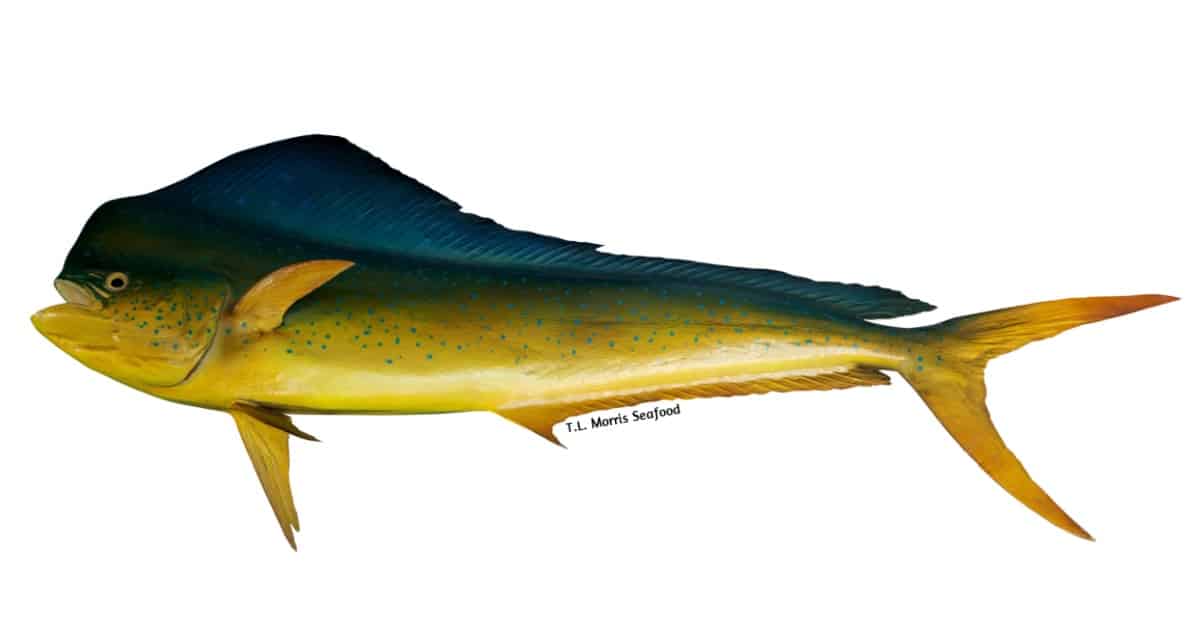
Physical Appearance: Mahimahi is renowned for its dazzling array of colors, with bright blues and greens on the sides and back, and yellow on the sides and underneath. This fish features a slender body, a pronounced forehead in males (known as a “bullhead”), and a long, continuous dorsal fin extending from head to tail. Adult Mahimahi can reach up to 50 inches in length and weigh over 30 pounds, though commonly caught specimens are smaller.
Habitat: Mahimahi are pelagic fish, meaning they live in the open ocean, often near the surface. They are found in warm tropical and subtropical waters worldwide and tend to follow warm ocean currents. Mahimahi are known for seeking shelter among floating seaweed, debris, and even under boats, where smaller fish gather and provide a source of food.
Behavior: These fish are fast swimmers and voracious feeders, preying on small fish, crustaceans, and squids. Mahimahi are highly migratory and travel great distances during their life. They have a relatively short lifespan, living up to 5 years, but they grow quickly. Mahimahi are known for their acrobatic leaps and flips when hooked, making them a favorite target for sport fishing.
Life Cycle: Mahimahi have a fast growth rate and can spawn several times a year, with females releasing anywhere from tens of thousands to over a million eggs each time. The eggs hatch quickly, and the young fish grow rapidly, reaching maturity in just a few months.
Mahimahi’s unique physical attributes, fascinating behaviors, and valuable place in their ecosystems make them one of the ocean’s most intriguing species.
Taste and Texture
Mahimahi is celebrated for its distinctive taste and texture, which make it a favorite among seafood lovers:
Taste: Mahimahi has a mild, sweet flavor that’s less fishy than some other seafood, making it appealing to a wide audience. Its subtle taste makes it a versatile fish that pairs well with a variety of seasonings, marinades, and cooking styles. The sweetness is complemented by its fresh, oceanic undertones, providing a delightful culinary experience.
Texture: The flesh of Mahimahi is lean, firm, and flaky, with a structure that holds up well to grilling, baking, and sautéing. Its firmness allows it to be easily cut into steaks or fillets, and it retains its moisture and tenderness when cooked, resulting in a satisfying mouthfeel. The texture is one of its most prized attributes, as it lends itself to a variety of dishes from light summer salads to hearty grilled entrées.
Whether you’re experiencing Mahimahi for the first time or it’s a staple in your diet, its unique taste and texture are sure to impress. It’s a fantastic choice for those looking to explore different seafood options without straying too far from familiar flavors.
Interesting Facts
These intriguing facts highlight the unique characteristics of Mahimahi, making them a fascinating subject not just for culinary enthusiasts but also for those interested in marine biology and oceanography.
Nutritional Value
Mahimahi is not only prized for its delicious taste but also for its impressive nutritional profile, making it a beneficial addition to a healthy diet:
Incorporating Mahimahi into your diet can provide a range of health benefits while adding variety to your meal planning with its mild, sweet flavor and firm texture.
Cooking Methods
Mahimahi’s firm texture and mild flavor make it an adaptable fish for various cooking techniques, each method bringing out its unique qualities. Here are some popular ways to prepare Mahimahi:
Regardless of the method chosen, Mahimahi’s delightful taste and nutritious profile make it a versatile and satisfying choice for any meal.
Substitutions for Mahimahi
If you’re looking to substitute Mahimahi in a recipe due to availability issues or personal preference, there are several options that mimic its firm texture and mild, sweet flavor. Here are some suitable alternatives:
Each of these fish can be prepared using similar cooking methods to those you’d use for Mahimahi, making them convenient alternatives that still deliver on taste and texture.
Buying and Storage Tips
Selecting Fresh Mahimahi:
- Appearance: Look for Mahimahi with bright, clear eyes and shiny, moist skin. The flesh should be firm to the touch and spring back when pressed.
- Color: Fresh Mahimahi fillets should have a pinkish hue with red bloodlines. If the flesh looks dull or brownish, it may not be fresh.
- Smell: Fresh Mahimahi should smell clean and slightly briny, not fishy. A strong fishy odor is a sign the fish is past its prime.
Storing Fresh Mahimahi:
- Refrigeration: If you plan to cook Mahimahi within a day or two of purchasing, store it in the coldest part of your refrigerator. Place it on a plate and loosely cover it with plastic wrap or place it in a sealed container.
- Freezing: For longer storage, wrap Mahimahi tightly in plastic wrap, aluminum foil, or place it in a freezer bag to prevent freezer burn. Properly stored, it can be frozen for up to three months. Label the package with the freezing date for reference.
Thawing Frozen Mahimahi:
- Refrigerator Thawing: The best way to thaw frozen Mahimahi is to transfer it from the freezer to the refrigerator and let it thaw overnight. This method keeps the fish at a safe temperature during thawing.
- Cold Water Thawing: For quicker thawing, seal Mahimahi in a plastic bag and submerge it in cold water, changing the water every 30 minutes. It should thaw within a few hours, depending on the thickness.
Cooking Tips:
- Immediate Use: Mahimahi is best enjoyed fresh. Plan to cook it soon after purchasing or thawing for the best flavor and texture.
- Marinating: If you choose to marinate Mahimahi, do so for only a short time, as acidic ingredients can “cook” the fish, affecting its texture.
By following these tips, you can ensure that your Mahimahi remains fresh and delicious from the market to your plate, maximizing its flavor and nutritional benefits.
Recipes
Mahimahi’s versatility in the kitchen allows for a myriad of culinary explorations. Here are some delightful recipes to bring out the best in this flavorful fish: