Introduction: Understanding the Grades of Crab Meat
When you're shopping for crab meat or reading a recipe, the labels can get confusing fast. Jumbo lump, backfin, lump, special, claw — what do they all mean, and does it really matter which one you use?
It does. Each grade of crab meat comes from a different part of the crab, which gives it a different texture, a different size of flake, and a different best use in the kitchen. Pick the right grade and your dish shines; pick the wrong one and you end up either overpaying or fighting with your recipe.
This guide walks through the three most-talked-about grades — jumbo lump, backfin, and lump — and then covers the rest of the lineup so you know exactly what you're buying.
What Is Jumbo Lump Crab Meat?
Jumbo lump crab meat is the premium grade of crab meat, prized by chefs and home cooks alike for its impressive, whole pieces of meat. But what exactly makes it "jumbo lump"?
The term "jumbo lump" refers to the largest, most intact pieces of meat taken from the swimming legs of the crab. These are the two big muscles the crab uses to swim — and they come out as whole, snowy-white lumps that hold their shape beautifully.
Because there are only two of these muscles per crab, jumbo lump is rare. A single blue crab yields just a small amount, which is why it commands a premium price. The lumps are large, firm, and sweet, with a texture that's almost like a whole scallop.
Best Uses for Jumbo Lump
Jumbo lump is the grade you reach for when the crab meat is the star of the dish and you want those big, beautiful pieces to stay intact:
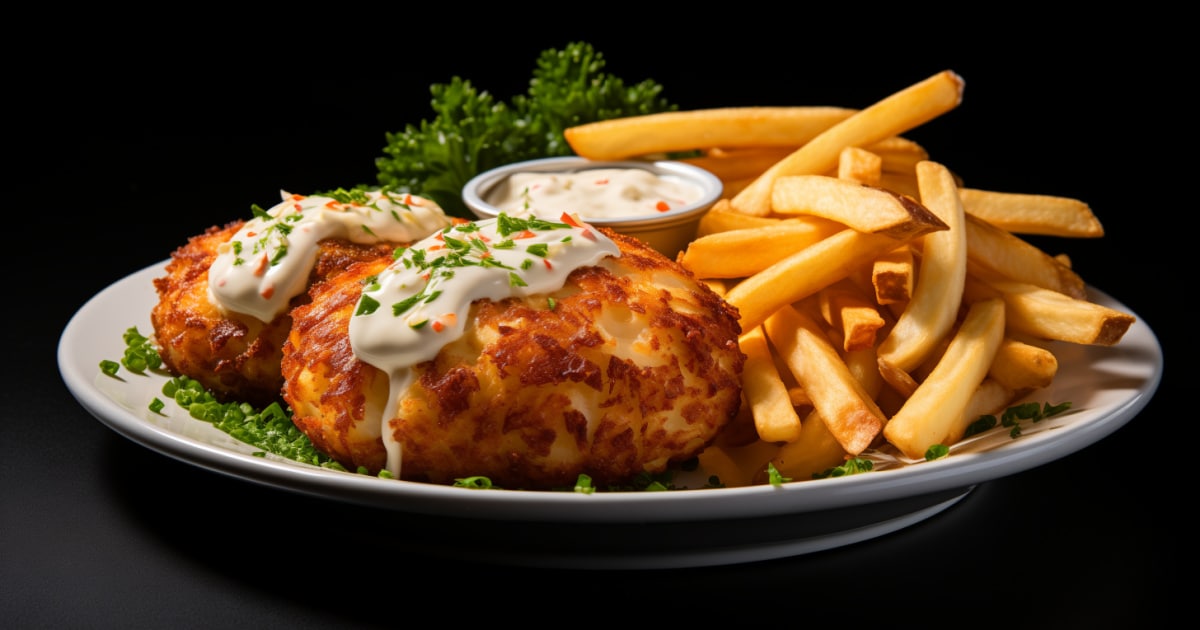
- Crab cakes where you want visible, whole lumps of meat
- Stuffed seafood (like stuffed shrimp or stuffed flounder)
- Crab imperial, where the lumps sit on top in a creamy binder
- Simple presentations — broiled with butter, or served over a salad
The rule of thumb: don't break jumbo lump up. Fold it gently into whatever you're making so those whole pieces survive.
What Is Backfin Crab Meat?
Backfin crab meat is a versatile, mid-grade option that strikes a balance between the premium jumbo lump and the more broken-down special grade. The name "backfin" comes from the backfin area of the crab — the meat is taken from the body section just behind the swimming legs.
Backfin consists of smaller, broken pieces of white body meat, including some smaller lumps. It's flaky and tender but doesn't have the large, whole pieces you'd find in jumbo lump. Think of it as the "all-purpose" grade.
Best Uses for Backfin
Backfin is the workhorse grade. It's ideal when you want crab flavor and texture throughout a dish without needing whole, intact lumps:
- Crab cakes where you want even distribution of meat
- Soups, bisques, and chowders
- Crab dips and crab cheese spreads
- Pasta dishes, crab imperial casserole, and quiches/frittatas
- Crab stuffing for mushrooms, peppers, or fish
Because backfin is more affordable than jumbo lump and still gives you that sweet white-meat flavor, it's the grade most recipes call for by default.
What Is Lump Crab Meat?
Here's where the labeling gets a little tricky. "Lump crab meat" is a term that's used in two ways, and it helps to know which your recipe means:
When a recipe says "lump crab meat," it usually wants decent-sized pieces of white meat that hold together — so backfin or a mid "lump" grade is fine. If a recipe specifically wants the show-stopping whole lumps, it will say "jumbo lump."
The practical takeaway: read the recipe. If it says "lump," backfin or a lump grade works. If it says "jumbo lump," buy the real thing.
Backfin vs. Jumbo Lump: The Key Differences
| | Jumbo Lump | Backfin |
|---|---|---|
| Source | The two swimming-leg muscles | The body cavity behind the swimming legs |
| Appearance | Large, whole, intact white lumps | Smaller, broken flakes and smaller lumps |
| Texture | Firm, holds its shape | Flaky, tender |
| Yield per crab | Very small (2 muscles per crab) | More abundant |
| Price | Premium | Mid-range |
| Best use | Dishes where whole lumps are the star | All-purpose cooking, even distribution |
The biggest mistake people make is using jumbo lump where backfin would do — and paying three times the price for crab meat that's going to get broken up in a soup anyway. The reverse mistake — using backfin where you wanted showpiece lumps — is cheaper but means your crab cakes won't have that signature whole-lump look.
The Rest of the Crab Meat Grades
Beyond jumbo lump, backfin, and lump, there are a couple more grades worth knowing:
Special
Special is the smallest grade of white body meat — fine, broken flakes. It's the most affordable white-meat grade and is perfect for dishes where the crab is mixed in and the texture of individual pieces doesn't matter: crab soup, crab dip, crab-stuffed mushrooms, and crab salad.
Claw Meat
Claw meat comes from the claws and is darker — a brownish-pink color — with a stronger, more pronounced crab flavor. It's less expensive than the white grades and holds up well to bold seasoning. Claw meat is ideal for soups, stews, crab cakes where you want extra flavor, and any dish with heavy seasoning that would overpower the delicate white meat.
How to Buy and Store Crab Meat
Buying: Look for crab meat that's snowy white (for body grades) and smells clean and sweet, never fishy. Check the sell-by date and keep it cold. Pasteurized canned crab meat is shelf-stable until opened but, once opened, should be used within a few days.
Storing: Keep fresh crab meat in the coldest part of your refrigerator and use it within two days of opening. Once opened, transfer it to an airtight container. Don't freeze jumbo lump if you can help it — freezing breaks the delicate cell structure and turns those prized whole lumps into mush. Backfin and special freeze better because they're already in smaller pieces.
Conclusion: Matching the Grade to the Dish
The grade of crab meat you choose should match what you're making. Reach for jumbo lump when the crab is the centerpiece and you want whole, intact pieces. Reach for backfin when you need reliable, all-purpose white crab meat distributed through a dish. Reach for special or claw for soups, dips, and heavily seasoned dishes where flavor matters more than appearance.
See what's fresh-picked today on our menu.