Here on the Eastern Shore, blue crabs are our specialty — see what's steaming today on our menu.
Introduction to Branzino
Common Name(s): Branzino (also known as European Bass)
Scientific Name: Dicentrarchus labrax
Names in Key Languages:
- Italian: Branzino
- French: Loup de mer (Sea Wolf)
- Spanish: Lubina
- German: Wolfsbarsch
Branzino, or European Bass, is a prized fish in Mediterranean cuisine, celebrated for its delicate flavor and firm, white flesh. This species is predominantly found in the waters surrounding Europe and parts of North Africa, thriving in both coastal and estuarine environments. Known for its versatility in cooking and elegant presentation, Branzino has become a favorite among seafood aficionados worldwide.
Description
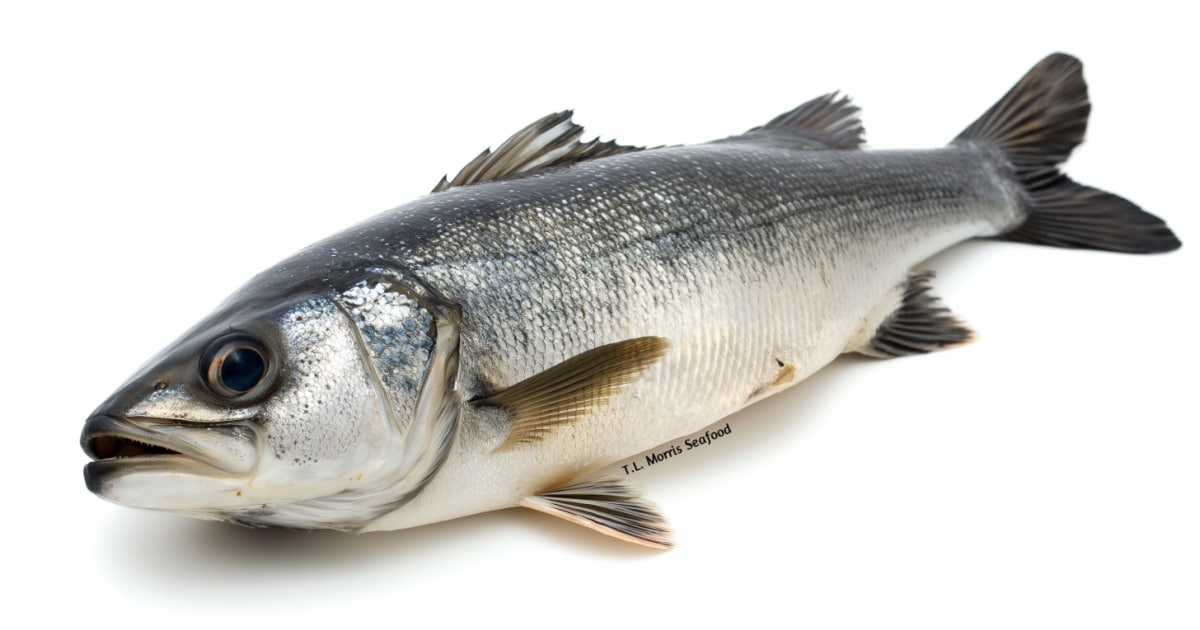
Physical Appearance: Branzino is characterized by its slender body, silver-gray scales, and a relatively large mouth. Adult Branzino can grow up to 60-70 cm in length and weigh up to 5-6 kg, though sizes around 30-50 cm are more common in commercial catches.
Habitat: Branzino is native to the coastal waters and estuaries of the Northeast Atlantic, from Norway to Senegal, and throughout the Mediterranean and Black Seas. It prefers temperate waters and is often found in shallow, brackish areas with sandy or muddy bottoms. Branzino is known for its migratory patterns, moving offshore in colder months and returning to coastal areas to spawn in spring and summer.
Behavior: Branzino is a predatory fish, feeding on a diet of smaller fish, crustaceans, and cephalopods. Its hunting strategy involves both speed and stealth, making it an efficient predator. The species plays a significant role in its ecosystem by helping to maintain the balance of marine life populations.
Reproduction in Branzino involves spawning in estuaries or near the coastline, where females can lay up to half a million eggs. The juveniles often shelter in seagrass beds or shallow inlets until they mature.
Taste and Texture
Flavor Profile: Branzino is highly valued for its sweet, mild flavor that appeals to a broad range of palates. Unlike some other fish species that may have a pronounced fishy taste, Branzino is subtle and refined, making it an excellent canvas for a variety of culinary applications.
Texture: The flesh of Branzino is white, tender, and moist, with a medium flake. Its texture is both firm and delicate, allowing it to hold up well to various cooking methods without falling apart. This balance of firmness and tenderness makes Branzino a favorite for chefs and home cooks alike, as it can be successfully grilled, roasted, baked, or sautéed.
Culinary Uses: Branzino’s mild flavor and versatile texture have made it a staple in Mediterranean cuisine, though its popularity extends far beyond. It can be served whole or filleted, often with minimal seasoning to let its natural taste shine through. Branzino pairs wonderfully with a range of flavors, from simple herb and lemon dressings to more complex sauces and marinades. Its skin crisps up beautifully, adding a desirable texture to the dish.
Whether presented as the star of a simple, rustic meal or as part of an elaborate culinary creation, Branzino consistently delivers a luxurious eating experience that is both satisfying and healthful.
Variations
Branzino, or *Dicentrarchus labrax*, does not have widely recognized subspecies or variations that significantly alter its biological or ecological characteristics. This species is remarkably consistent across its natural range, which spans the temperate and subtropical waters of the Northeast Atlantic, the Mediterranean Sea, and the Black Sea.
Consistency in Species: The lack of subspecies or significant genetic variations within Branzino populations contributes to its uniform appearance, behavior, and habitat preferences. This uniformity ensures that Branzino from different regions share similar physical and ecological traits, making it a stable and predictable species for both ecological study and sustainable fishing practices.
Ecological Role: Despite its uniformity, Branzino plays a versatile role in its ecosystems. It is a predator that helps maintain the balance of marine life by consuming a variety of prey, including smaller fish, crustaceans, and cephalopods. This predation is crucial for the health of coastal and estuarine environments, indicating the species’ integral role in its natural habitats.
The absence of distinct variations in Branzino underscores the species’ ecological adaptability and the importance of its conservation. Understanding and protecting this uniformity is vital for maintaining the biodiversity and stability of the marine ecosystems where Branzino thrives.
Interesting Facts
Nutritional Value
Branzino isn’t just tasty; it’s also packed with nutrients that are great for your health. Here’s what makes Branzino a smart choice for a healthy meal:
Incorporating Branzino into your meals is not only a delight to your taste buds but also a boon to your overall health. Whether baked, grilled, or steamed, Branzino offers a delicious way to nourish your body.
Cooking Methods
Branzino is a chef’s dream because it can be cooked in so many delicious ways! Here are some popular methods to bring out the best in this tasty fish:
No matter which method you choose, Branzino cooks relatively quickly, so keep an eye on it to make sure it doesn’t overcook. The result? A delicious, healthy meal that’s sure to impress.
Substitutions for Branzino
Even though Branzino is a unique fish with a distinct taste and texture, there are times when you might need to find a substitute. Here are some great alternatives that can take its place in your recipes:
When substituting one fish for another, remember to adjust cooking times based on thickness and size to ensure your dish turns out perfectly. These alternatives can help keep your meal plans flexible while still delivering delicious, healthy seafood options.
Buying and Storage Tips
Selecting Fresh Branzino:
- Look for Bright Eyes: Fresh Branzino should have clear, bright eyes. Cloudy or dull eyes might indicate the fish isn’t as fresh.
- Check the Skin: The skin should be shiny and moist, without any brown spots or discolorations. The scales should be intact and cling tightly to the body.
- Smell Test: Fresh Branzino should smell like the ocean—clean and salty. If it smells fishy, sour, or ammonia-like, it’s best to choose another fish.
- Firm Flesh: When gently pressed, the flesh should spring back. If it leaves an indentation, the fish may not be fresh.
Storing Branzino:
- Refrigerate Promptly: If you’re not cooking Branzino the same day you buy it, store it in the coldest part of your fridge. Use it within 1-2 days for the best quality.
- Prep for Freezing: If you need to store Branzino for longer, you can freeze it. Wrap the fish tightly in plastic wrap, then place it in a freezer bag, squeezing out as much air as possible. Properly stored, it can last in the freezer for up to 3 months.
- Thawing: When you’re ready to use frozen Branzino, thaw it in the refrigerator overnight. Avoid thawing it at room temperature, as this can affect the texture and safety of the fish.
By following these tips, you can ensure that your Branzino is fresh and delicious by the time you’re ready to cook it, preserving its delicate flavor and texture for your meal.