Introduction: Exploring the Anatomy of an Oyster
Oysters, a staple in seafood cuisine, are not just a treat for the palate but also a subject of immense biological interest. Delving into the "anatomy of an oyster" reveals a complex structure, finely tuned to its aquatic environment. This guide will explore the various facets of oyster anatomy, from its sturdy shell to its intricate internal systems.
Understanding the anatomy of an oyster is not only fascinating for marine biologists but also crucial for environmentalists and conservationists who strive to protect these vital marine organisms and their habitats.
Key Anatomical Features of Oysters:
- Shell: Two-part structure providing protection.
- Mantle: Tissue lining the shell, responsible for shell formation.
- Gills: Used for respiration and filter-feeding.
- Heart: Simple two-chambered organ for blood circulation.
- Digestive System: Includes the mouth, stomach, and intestines.
- Nervous System: Basic nerve ganglia and sensory cells.
- Reproductive Organs: Gonads responsible for spawning.
The Shell: A Key Component in the Anatomy of an Oyster
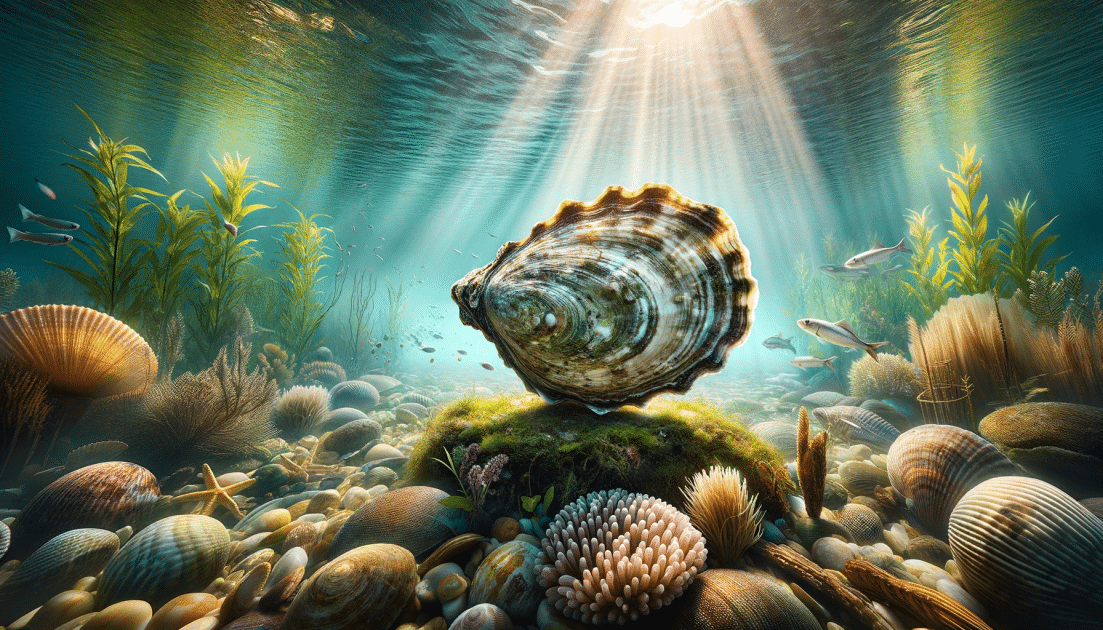
The shell is arguably the most recognized feature in the anatomy of an oyster. Comprised mainly of calcium carbonate, it provides a sturdy defense against predators and environmental pressures. The anatomy of an oyster shell is a two-part structure, each part called a valve, connected by a flexible ligament allowing the oyster to open and close. This functionality is essential for feeding and respiration, highlighting the shell's role beyond mere protection.
The shell's composition is primarily calcium carbonate in the form of calcite or aragonite crystals. These materials, combined with a protein matrix, give the shell its strength and resilience. The constant deposition of these materials allows the shell to grow and repair itself, an ongoing process that is vital for the oyster's survival.
Growth rings, similar to those in a tree trunk, can be observed on the shell. These rings provide valuable information to scientists about the age of the oyster and the environmental conditions, like water temperature and food availability, throughout its life.
Mantle: Understanding its Role in Oyster Anatomy
A critical element in the anatomy of an oyster is its mantle, the soft tissue that lines the inner surface of the shell. This remarkable organ plays a pivotal role in shell formation and maintenance. The mantle secretes the calcium carbonate and proteins that form the shell, a continuous process that allows the oyster to grow and repair its protective exterior.
The mantle envelops the oyster's body, creating a protective barrier between the soft tissues and the hard shell. Its location and structure are vital for the oyster's growth and defense, highlighting the importance of the mantle in the overall anatomy of an oyster.
Gills and Feeding: Essential Aspects of Oyster Anatomy
The gills are among the most fascinating aspects of the anatomy of an oyster. They serve a dual purpose: respiration and feeding. Structurally, oyster gills are composed of thin, flat filaments that provide a large surface area for gas exchange. This design enables efficient oxygen uptake from the water, a crucial process for the oyster's survival.
Apart from respiration, the gills play a central role in the oyster's filter-feeding mechanism. Oysters draw water into their shells, where the gills trap and filter out plankton and organic particles. This process not only feeds the oyster but also significantly contributes to maintaining the clarity and quality of the marine environment.
The Digestive System in Oysters
The digestive system is a vital component in the anatomy of an oyster. It begins with the mouth, located at the base of the gills, where filtered food particles are ingested. The stomach, a central part of the digestive tract, efficiently processes the food. This system is complemented by intestines, where nutrients are absorbed, fueling the oyster's growth and bodily functions.
Circulatory System: A Vital Part of Oyster Anatomy
The heart in the anatomy of an oyster, though simple, is fundamental to its survival. It consists of two chambers — a ventricle and two auricles — which pump blood throughout the body. The heart's function is to circulate oxygenated blood from the gills to the rest of the body, supplying essential nutrients to various tissues.
Do Oysters Move?
When we ask, "Do oysters move?" the answer is both yes and no. It's a common belief that oysters are always stuck in one place, and for the most part, that's true — especially for adult oysters. However, during the earliest days of their lives, oysters are quite the adventurers. Before settling down and becoming the stationary shellfish we're familiar with, oyster larvae are free-swimming and actively move through the water.
This early life mobility is crucial for spreading oyster populations and ensuring genetic diversity. They do this using tiny hair-like structures called cilia, which help them navigate through the water as they search for a suitable place to settle down and grow into adulthood.
Once oysters settle down and attach themselves to a surface, their days of moving around come to an end. Adult oysters cement themselves to rocks, reefs, or even other oysters, and here they will stay for the rest of their lives. Though they no longer move from place to place, adult oysters can still open and close their shells. This movement is not for locomotion but is vital for feeding and respiration.
How Do Oysters Reproduce?
How do oysters reproduce? This seemingly simple question opens up a fascinating window into the underwater lives of one of the world's most intriguing shellfish.
Oysters begin their reproductive dance when water temperatures rise, typically signaling the advent of spring or early summer. This temperature change flips an internal switch in the oysters, pushing them into what is known as the spawning phase.
During spawning, female oysters release millions of eggs into the water, while males contribute by expelling vast amounts of sperm. This cloud of potential life is known as gametes, and the goal is straightforward: sperm meets egg.
Once the eggs are fertilized, they start a remarkable transformation. The fertilized oyster eggs, now called larvae, embark on a journey through the ocean currents. It's a time of growth and survival, as these tiny particles of life float alongside plankton for about three weeks, developing and gaining strength.
As the larvae mature, they start seeking a place to call home. This settling is critical; the spot they choose will be where they spend the rest of their lives. This process is known as 'setting,' and it often involves attaching themselves to a hard surface, such as rocks, shells, or even other oysters. Once settled, the larvae metamorphose into what we recognize as a juvenile oyster or a 'spat.'
Here's an interesting curveball: some oyster species are what scientists call 'sequential hermaphrodites.' What does this mean? Simply put, they can change sex during their lifetime. This fascinating ability ensures that there's always a mate available to produce offspring.
Why Do Oysters Make Pearls?
Why do oysters make pearls? It's a fascinating process that combines biology and a bit of oceanic alchemy.
Pearls form when an irritant, often a small parasite or a piece of debris, finds its way into an oyster's shell. This irritant isn't harmful, but it does bother the oyster. To protect itself, the oyster starts a natural defense mechanism. It secretes a substance called nacre, also known as mother-of-pearl, which is the same material that lines the inside of its shell.
Layer upon layer of this nacre coats the irritant over time. It's a slow and gradual process, taking years to form a pearl. The nacre layers are what give pearls their beautiful, iridescent luster. It's like the oyster is turning a tiny annoyance into a stunning gem.
The type of oyster also plays a role in the kind of pearl it produces. For example, the Pinctada maxima oyster, found in the South Pacific, is known for its large and valuable pearls.
Natural vs. Cultured Pearls
Natural pearls, like those formed in oysters, occur without any human intervention. They form when an irritant accidentally enters an oyster, triggering the nacre secretion process. These pearls are rare and highly valued, not just for their beauty but also for their rarity in nature.
Cultured pearls, on the other hand, are the result of a process initiated by pearl farmers. In cultured pearl farming, a small bead or piece of tissue is deliberately inserted into an oyster or a mussel. This acts as the irritant, and the oyster responds by coating it with nacre, just as it would in the wild. The majority of pearls sold today are cultured, as this method allows for more control over the size, shape, and quality of the pearls produced.
Pea Crabs: The Astonishing Hidden Guests Inside Your Next Oyster
So, have you ever cracked open an oyster and found a tiny surprise inside, no bigger than a pea? Well, that's not a rare pearl you're looking at; it's a pea crab, a fascinating little creature that calls the oyster its home.
Pea crabs are kind of like the unexpected roommates of the sea. These critters are minuscule — seriously, they're often no larger than a pea — and they've got a knack for slipping into oyster shells and setting up shop. These crabs belong to a family called Pinnotheridae; they're a bit like the moochers of the marine world, living off the oyster's hard work.
They've got a smooth, round shell and a body that's perfect for hiding out in tight spaces. Their color usually matches their host, helping them stay camouflaged and safe from predators. Their presence inside the oyster is a classic case of commensalism — where one creature benefits and the other isn't harmed or helped much.
Pea crabs don't seem to cause any real harm to their hosts. They're simply there for the free food and shelter. In fact, oysters don't even seem to notice their presence most of the time. That's not to say that pea crabs have no impact at all. When there are a lot of them, they can compete with the oyster for food, potentially affecting the oyster's growth. However, most of the time, they live together pretty harmoniously.
The good news is that pea crabs are harmless to humans. If you happen to find one in your oyster, it's perfectly okay to remove it and proceed with your meal.
Unlock the Mystique of Fresh Oysters
Imagine sitting at a serene seaside restaurant, a gentle breeze mingling with the fresh scent of the ocean. Before you lies a platter of glistening fresh oysters, their presence a promise of the unique culinary journey ahead. This scene captures the essence of why fresh oysters have long been cherished as a culinary delight. Beyond just being a food item, they embody an experience — a blend of taste, tradition, and the natural beauty of the seas. From the briny depths of Chesapeake Bay to your plate, each oyster carries a story worth exploring.
Chesapeake Bay oysters, for instance, are renowned for their distinct, slightly sweet and buttery flavor, a direct result of the unique mix of fresh and saltwater in their habitat. The allure of fresh oysters extends beyond their taste; it's about the experience of connection with the sea and its mysteries. Each oyster is a small, encapsulated universe, a product of its environment and a bearer of its secrets.
The appeal of fresh oysters is as much in their preparation and presentation as it is in their consumption. Whether served raw on the half shell, grilled, or steamed, each preparation method highlights different aspects of their flavor and texture. Oysters served raw, particularly those enjoyed in the shell, offer a pure, unadulterated taste of the sea, a briny, refreshing flavor that is both invigorating and soothing.
The Art of Oyster Shucking
Oyster shucking, the art of opening their shells, is as much a part of the allure as the taste itself. This skillful process, enjoyed by many aficionados, reveals the oyster's hidden treasures.
The right tools — a specialized oyster knife and a sturdy glove — are essential for safely and effectively opening the shells. The process involves finding the hinge of the oyster and carefully inserting the knife, twisting it to pop the shell open. It's a moment filled with anticipation, as each oyster reveals its unique size, shape, and color.
Raw oysters are often served with a variety of condiments — lemon wedges, cocktail sauce, horseradish, or mignonette sauce — allowing each person to customize their experience. For those who prefer cooked oysters, options abound, from classic Rockefeller style — baked with a rich topping of butter, herbs, and breadcrumbs — to barbecued or smoked varieties, each method bringing out different aspects of the oyster's flavor profile.
Conclusion: The Intricacy and Importance of Oyster Anatomy
Our journey through the anatomy of an oyster reveals a world of remarkable complexity and specialization. From the sturdy architecture of their shells to the sophistication of their feeding and reproductive systems, oysters are a testament to the wonders of marine biology. Each aspect of their anatomy is intricately designed for survival and adaptation to their aquatic environment.
Oysters play a crucial role in their ecosystems, from filtering and purifying water to providing habitats for other marine organisms. Understanding their anatomy and life processes is key to appreciating their role in maintaining the balance of marine ecosystems.