Introduction: Understanding Oyster Seasonality
Today, let's talk about a topic that's essential for any oyster lover: "When are oysters in season?" As someone who specializes in blue crabs and appreciates all kinds of seafood, I find the seasonality of oysters particularly interesting.
There's a lot of talk about the best time to enjoy oysters, and you might have come across the old saying about the "R" months. But what's the real story? Is there a specific season for oysters, or can we enjoy them all year round?
In this guide, we'll delve into the world of oysters and uncover the facts about their seasons, the briny flavor that makes them so distinctive, and how they compare to their shellfish cousins, clams and mussels.
The "R" Months Rule: When Are Oysters in Season
Let's dive into a bit of oyster history, particularly the famous "R" months rule. You might have heard that oysters should only be eaten in months with an "R" — from September to April. But have you ever wondered why?
This rule dates back centuries and was originally based on a simple observation: oysters seemed to taste better during the cooler months. In the days before refrigeration, summer months posed a risk for shellfish spoilage and foodborne illnesses. Oysters spawn in warmer waters, and during this time, they can become less flavorful and more watery.
However, with modern advancements in oyster farming and refrigeration, the "R" months rule isn't as strict as it used to be. We can now enjoy fresh, safe oysters almost all year round. But there's still something special about oysters in the "R" months. They're often plumper and tastier, making these months a favorite for many oyster enthusiasts.
So, while the "R" months rule started for practical reasons, it has now become more of a guideline for enjoying the best quality oysters.
Seasonal Flavors: How Time of Year Affects Oysters
Oysters are not just a culinary delight; they're also fascinating when it comes to how their flavor and texture change with the seasons. This variation is one of the reasons why oyster connoisseurs find them so intriguing.
In the colder months, typically the "R" months, oysters are known for their firmer texture and richer flavor. This is because oysters fatten up during the colder seasons, leading to a creamier and more substantial mouthfeel. The colder waters also contribute to a cleaner, crisper taste, often preferred by oyster lovers.
Come warmer months, oysters undergo spawning, which affects their physical composition. During this time, they become softer and their flavor becomes milder. Some describe summer oysters as being more watery. This doesn't necessarily mean they're less enjoyable; it's just a different experience. Summer oysters might appeal to those who prefer a lighter taste.
Why Do Oysters Taste Salty?
You might be wondering, what exactly makes oysters taste so salty? Well, it all comes down to their lifestyle. Oysters are filter feeders, meaning they draw in water from their surroundings to catch tiny bits of food floating around. This water isn't just any water; it's seawater, filled with salt and a cocktail of minerals.
As oysters filter this salty water, they also absorb some of its flavors, including the saltiness we taste. But that's not the only thing that contributes to their unique flavor. The environment where oysters grow, known as their "merroir" (similar to "terroir" for wine), plays a huge role. Factors like the type of algae available, the water temperature, and yes, the salinity of the water, all influence an oyster's taste.
So, when you enjoy an oyster, you're not just tasting the oyster itself; you're tasting its environment. It's a blend of the water's salinity, the geography of the area, and the specific conditions of the oyster's habitat. This is why oysters from different regions can taste remarkably different from each other, despite being the same species.
How Salinity Shapes Their Flavor
Ever notice how some oysters taste saltier than others? This isn't just by chance; it's closely tied to where those oysters grew up. The key player here is salinity, which is a fancy word for how salty the water is. Oysters from areas with higher salinity, closer to the open ocean, often have a sharper salty taste. This makes sense, right? More salt in the water means more salt in the oysters.
On the flip side, oysters that call estuaries home, where rivers meet the sea and mix fresh water with saltwater, tend to be less salty. These areas have lower salinity, so while the oysters still get that signature ocean taste, it's a bit more subdued. Think of it like diluting saltwater with fresh water; the mix isn't as salty as pure seawater.
This variation in salinity doesn't just affect how salty an oyster tastes but can also influence its overall flavor profile. Oysters from high-salinity waters might give you that bold, briny flavor, while those from lower-salinity areas could have a sweeter, more nuanced taste.
Chesapeake Bay Oysters: A Journey Through Flavors
The Chesapeake Bay is a treasure trove of oyster flavors, thanks to its diverse ecosystems stretching from the fresh waters of the north to the salty Atlantic in the south. This variety offers a unique opportunity to explore how geography and salinity shape the taste of these beloved bivalves.
- Northern Bay: Here, the fresh waters dilute the sea's saltiness, creating oysters with a subtle, sweet undertone. Perfect for those new to oysters, these gems offer a gentle introduction to the world of briny delights.
- Mid-Bay: As we venture into the heart of the Chesapeake, the waters blend freshwater with ocean salt in a perfect equilibrium. Oysters from this region offer a balanced taste — a mix of mild sweetness with a hint of the sea's brine, embodying the classic Chesapeake Bay flavor profile.
- Lower Bay: Approaching the ocean, the salinity intensifies, and so does the flavor of the oysters. These are for the briny aficionados, delivering a bold, oceanic taste that's as refreshing as a sea breeze.
Regional Differences: When Are Oysters in Season
Oyster seasonality is a fascinating aspect that varies by region, and being in Maryland, we're in one of the prime spots for oyster lovers. Let's explore how oyster seasons differ from the East Coast of the United States to other parts of the world.
In Maryland and along the East Coast, the traditional "R" months from September to April mark the peak oyster season. During these cooler months, East Coast oysters, including those from the Chesapeake Bay, are known for their plumpness and rich flavors.
Moving to the Pacific Northwest, the colder waters here align with the "R" months, producing oysters with a firm texture and a deep, complex flavor profile during the winter.
In contrast, the Gulf of Mexico's warmer waters allow for a more extended season. Gulf oysters can be enjoyed almost all year round, with subtle changes in flavor across different seasons.
Oyster Season by Region
Choosing and Savoring Oysters in Their Prime Season
Selecting the best oysters starts with understanding when oysters are in season. Enjoying oysters at their best can greatly enhance your culinary experience.
1. Know the Season: First, it's essential to be aware of the oyster seasons in your region. For instance, in Maryland, the colder months are ideal for enjoying local oysters. If you're trying oysters from different regions, ask your supplier about the best season for each variety.
2. Freshness is Key: Always look for the freshest oysters available. Fresh oysters should smell like the ocean — clean and briny, not fishy. Their shells should be tightly closed, indicating that they're alive and fresh.
3. Consider the Flavor Profile: Each oyster variety has its unique flavor profile, influenced by its habitat. East Coast oysters, like those from Maryland, tend to have a balance of saltiness and sweetness, while West Coast varieties might offer more fruity or cucumber-like notes.
4. Proper Storage: If you're not eating the oysters immediately, store them properly. Keep them in the refrigerator, flat side up, covered with a damp cloth. This helps maintain their freshness until you're ready to enjoy them.
5. Serving Suggestions: Oysters can be enjoyed raw, steamed, grilled, or even fried. For a classic experience, try them raw on the half shell with a simple squeeze of lemon or a dash of hot sauce.
Clams vs Oysters
When comparing clams and oysters, their physical traits are a great starting point. Clams typically have a more uniform, oval shape with two equally sized shell halves. Their shells are generally smoother and can range in color from light grey to deep brown. Inside, clam meat is usually pale and tender, offering a slightly chewy texture when cooked.
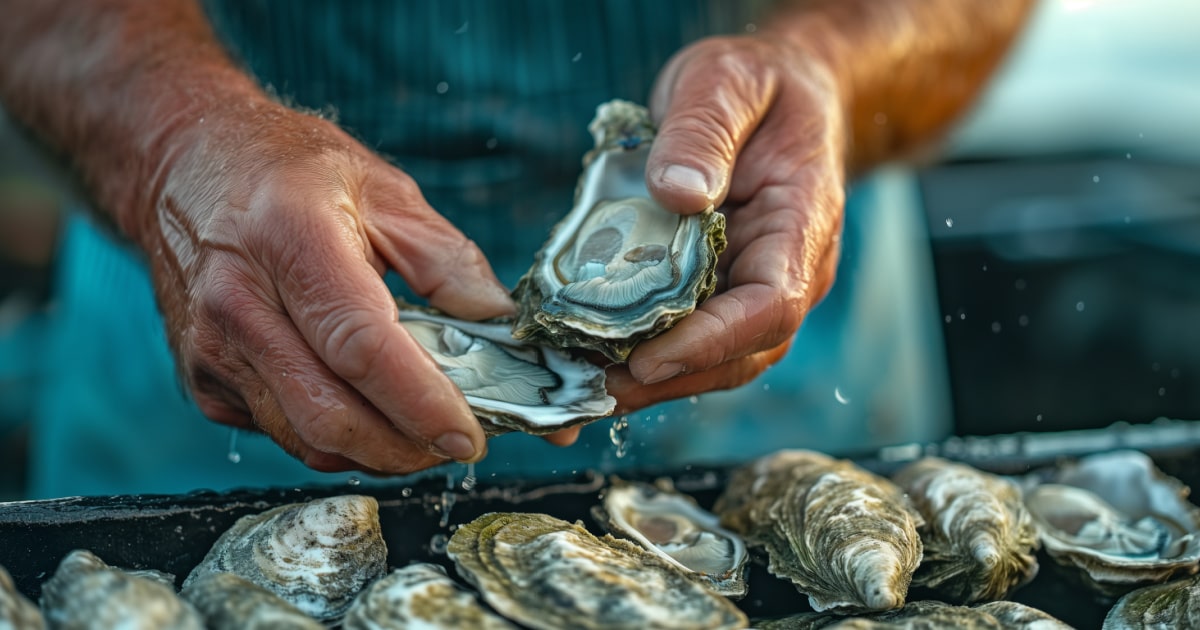
Oysters, in contrast, have irregular and rough shells. They're not as symmetrical as clams, with one flat shell and one curved. Oyster shells have a more rugged texture and can vary greatly in color and size, often reflecting the specific environment where they grew. The meat of an oyster is plumper compared to clams and can have a more varied color palette, from creamy to a greyish hue.
Clams are incredibly versatile in their habitat choices. They can be found burrowed in the sandy or muddy bottoms of both freshwater and saltwater environments. Oysters, on the other hand, are typically saltwater dwellers. They favor brackish waters, such as estuaries and bays, where freshwater mixes with the sea. Oysters are known for their ability to form oyster reefs by attaching themselves to rocks, other shells, or any hard substrate.
In the kitchen, clams have a mild, sweet taste that pairs well with a variety of ingredients. They're often the star in pasta dishes, chowders, and stews. Oysters, with their strong oceanic flavor, are often enjoyed raw, which highlights their natural taste. When served on the half shell with just a squeeze of lemon or a dash of hot sauce, they offer a fresh, briny flavor that's a true taste of the sea.
What Are Little Neck Clams?
Little neck clams, a prized catch from the family of hard clams (Mercenaria mercenaria), are more than just a seafood delicacy; they represent a spectrum of sizes in the clam world. Among the various size classifications — little necks, top necks, cherrystones, and quahogs — little necks are the smallest and most tender, making them highly sought after for both raw and cooked preparations.
Originating from the sandy bottoms of the East Coast, particularly from the clean, cold waters from Maine down to Virginia, little neck clams thrive in intertidal zones where they can be harvested sustainably. Their size, typically not exceeding two inches in diameter, contributes to their tender texture and sweet flavor, distinguishing them from their larger counterparts.
Little neck clams shine in an array of culinary applications. Their delicate texture is perfect for raw preparations, such as on the half shell or in ceviches, where their natural sweetness can be fully appreciated. However, their robust enough flavor to stand up to cooking makes them ideal for steaming, grilling, or incorporating into pasta sauces and chowders.
Mussels vs Oysters
Mussels have elongated, dark-colored shells, often blue or black. They're smaller compared to oysters and have a smoother shell surface. Inside, their meat is tender and usually orange or cream-colored.
Oysters, on the other hand, boast a more irregular and rough shell. Their shells are generally larger and can vary in color, often reflecting the environment where they grew. The meat of an oyster is plumper and can range from creamy to a pale gray.
Another key difference lies in their habitat. Mussels are versatile; they thrive in both freshwater and saltwater environments. Often they form clusters, attaching themselves to surfaces using their byssal threads, also known as 'beards.' Oysters predominantly live in saltwater, particularly in brackish waters like estuaries. They attach themselves to hard surfaces, forming oyster reefs that are crucial to their ecosystem.
In terms of taste, mussels offer a subtly sweet flavor and are less briny than oysters. Oysters have a distinct taste that varies greatly depending on their environment, often described as a fresh, salty burst of ocean flavor.
Conclusion: Embracing the Full Cycle of Oyster Seasons
As we've explored, the world of oysters is rich and varied, with each season bringing its own unique offerings. From the plump, flavorful oysters of Maryland's colder months to the year-round delights of the Gulf, there's always something special to discover in the oyster world. Understanding the seasonality of oysters not only enhances our appreciation for these marvelous shellfish but also allows us to enjoy them at their peak.