Here on the Eastern Shore, blue crabs are our specialty — see what's steaming today on our menu.
Species Name:
- English: Sea Bass
- Scientific Name: Serranidae (Family)
- Spanish: Lubina
- French: Bar
- Italian: Spigola
- Japanese: スズキ (Suzuki)
- Chinese (Mandarin): 鲈鱼 (Lú yú)
Description:
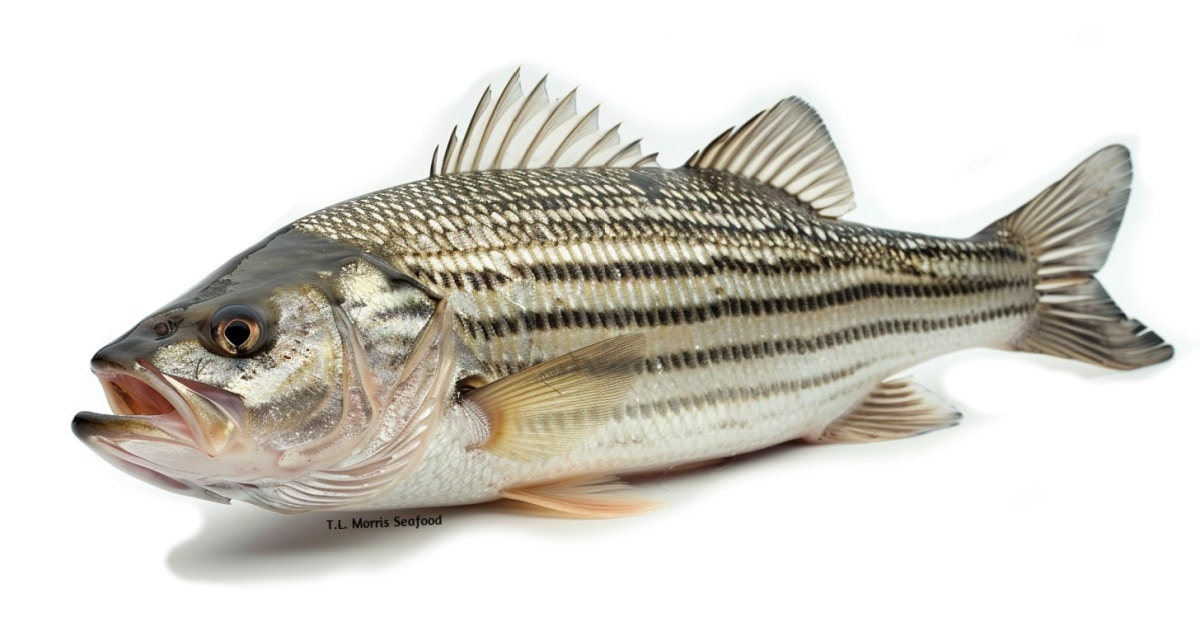
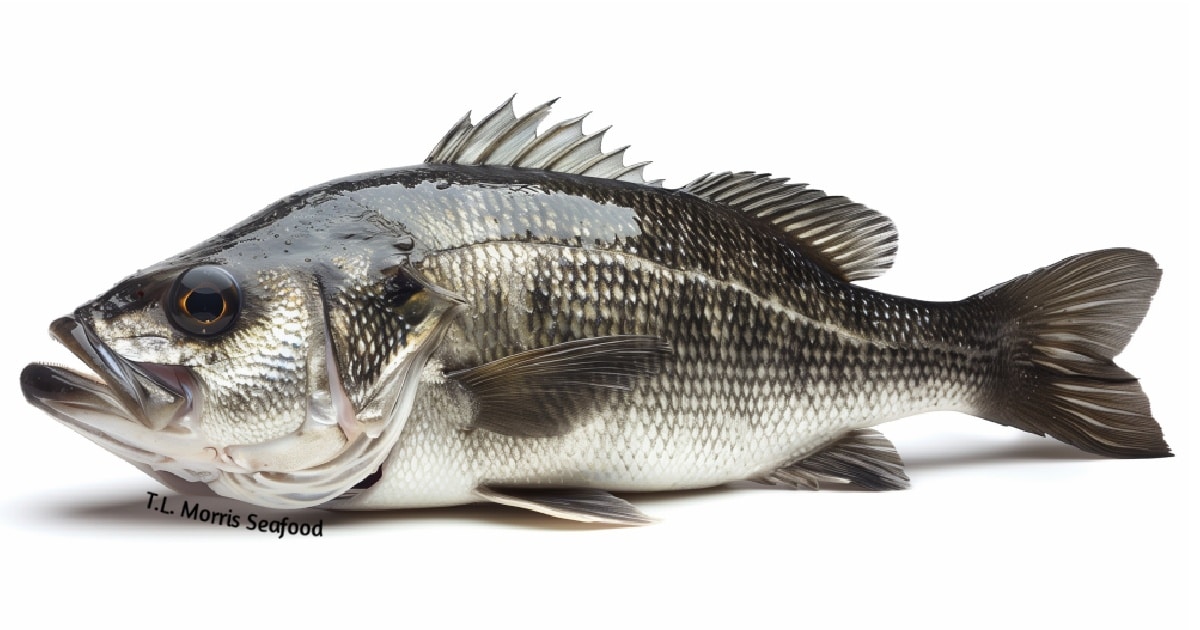
Sea Bass, a highly prized fish renowned for its delicate flavor and adaptable nature in the kitchen. Recognizable by its sleek physique, shimmering scales, and distinct markings, Sea Bass inhabits temperate waters globally. Its habitat includes coastal regions, estuaries, and rocky reefs, reflecting its adaptable nature and wide-ranging distribution.
This predatory species plays a crucial role in marine ecosystems, contributing to the balance of coastal environments. Its hunting behavior regulates prey populations, ensuring ecological stability and biodiversity.
Taste and Texture:
Sea Bass captivates palates with its mild, subtly sweet flavor and tender, flaky texture. Its flesh offers a delicate mouthfeel, making it appealing to a wide range of seafood enthusiasts, even those with more reserved tastes. Whether grilled, baked, or pan-seared, Sea Bass maintains its moisture and succulence, absorbing flavors harmoniously from accompanying ingredients.
This versatility in taste and texture makes Sea Bass a favored choice among chefs and home cooks alike, allowing for endless culinary creativity and exploration.
Sea Bass encompasses several distinct variations, each offering unique characteristics and flavors:
1. Black Sea Bass: Known for its deep hue and robust flavor, commonly found along the Atlantic coast of North America.
2. European Sea Bass: Revered for its delicate taste and tender flesh, prominent in European and Mediterranean cuisines.
3. Chilean Sea Bass: Celebrated for its buttery texture and rich flavor, native to the frigid waters of the Southern Hemisphere.
These variations of Sea Bass present seafood enthusiasts with a diverse array of culinary possibilities, each contributing its own distinctive twist to gastronomic creations.
Interesting Fact:
One captivating aspect of Sea Bass is its remarkable growth transformation throughout its life cycle. Beginning as males, Sea Bass undergo a transition as they mature, eventually transitioning into females. This fascinating phenomenon allows for reproductive success and population sustainability within Sea Bass populations.
As Sea Bass mature, some individuals undergo this gender transformation, contributing to the species’ reproductive dynamics. Factors such as age, size, and environmental influences play pivotal roles in this process, highlighting the intricate biology of Sea Bass.
This intriguing aspect of Sea Bass biology underscores the complexity of marine life and emphasizes the importance of understanding the intricacies of species’ life cycles for conservation and management efforts.
Nutritional Value:
Sea Bass is not only prized for its exquisite taste but also for its nutritional richness, offering a spectrum of essential nutrients:
- Protein: Sea Bass is a high-quality source of protein, crucial for muscle growth, repair, and overall bodily function. Protein is essential for building and repairing tissues, supporting immune function, and aiding in enzyme production.
- Omega-3 Fatty Acids: Sea Bass is abundant in omega-3 fatty acids, particularly EPA (eicosapentaenoic acid) and DHA (docosahexaenoic acid). These fatty acids play a vital role in heart health, reducing the risk of cardiovascular diseases such as heart attacks and strokes. Additionally, omega-3s have anti-inflammatory properties, benefiting joint health and reducing inflammation throughout the body.
- Vitamins and Minerals: Sea Bass is rich in various vitamins and minerals, including:
- - Vitamin B6: Important for brain health, metabolism, and the production of neurotransmitters.
- - Vitamin B12: Essential for nerve function, DNA synthesis, and the formation of red blood cells.
- - Selenium: Acts as an antioxidant, protecting cells from damage and supporting thyroid function.
- - Potassium: Vital for maintaining electrolyte balance, regulating blood pressure, and supporting muscle and nerve function.
Incorporating Sea Bass into your diet provides a nutrient-dense source of essential nutrients, promoting overall health and well-being. Whether grilled, baked, or pan-seared, Sea Bass offers a delicious and nutritious addition to any meal.
Cooking Methods:
Sea Bass’s versatility in the kitchen allows for a variety of cooking techniques to bring out its exquisite flavor and texture. Here are some popular ways to prepare Sea Bass:
Experiment with these cooking methods to discover your favorite way to enjoy Sea Bass, and don’t be afraid to get creative with seasonings, marinades, and sauces to elevate its flavor profile.
Substitutions for Sea Bass:
While Sea Bass offers a unique flavor and texture, several alternative fish can be substituted in recipes if Sea Bass is unavailable. Here are some alternatives:
While these alternatives may not replicate the exact taste and texture of Sea Bass, they can be used interchangeably in many recipes to create delicious seafood dishes.
Buying and Storage Tips:
When purchasing Sea Bass, follow these guidelines to ensure freshness and quality:
When storing Sea Bass, follow these tips to maintain its freshness:
1. Refrigeration: Store fresh Sea Bass in the coldest part of your refrigerator, ideally in the seafood or meat drawer, for up to two days. Keep it wrapped tightly in plastic wrap or aluminum foil to prevent exposure to air and odors.
2. Freezing: If you’re not planning to use Sea Bass immediately, it can be stored in the freezer for up to three months. Wrap the fish tightly in plastic wrap and aluminum foil or place it in a freezer-safe bag or container to prevent freezer burn.
By following these buying and storage tips, you can ensure that your Sea Bass stays fresh and delicious for your next seafood meal.
Recipes:
Explore the culinary possibilities of Sea Bass with these tantalizing recipes: