Here on the Eastern Shore, blue crabs are our specialty — see what's steaming today on our menu.
Introduction to Sea Urchins
Common Names: Sea Urchins
Scientific Name: Class Echinoidea
Names in Key Languages:
- Japanese: ウニ (Uni)
- Italian: Riccio di mare
- French: Oursin
- Spanish: Erizo de mar
- German: Seeigel
Sea Urchins, known scientifically as members of the Class Echinoidea, are fascinating marine invertebrates inhabiting oceans worldwide. Recognizable by their distinctive spiny exteriors, they play a critical role in their ecosystems and are a celebrated delicacy in various cuisines, especially in Japanese (where they’re known as “Uni”). These creatures embody a unique intersection of ecological importance and gastronomic delight, intriguing both marine scientists and culinary enthusiasts.
Description
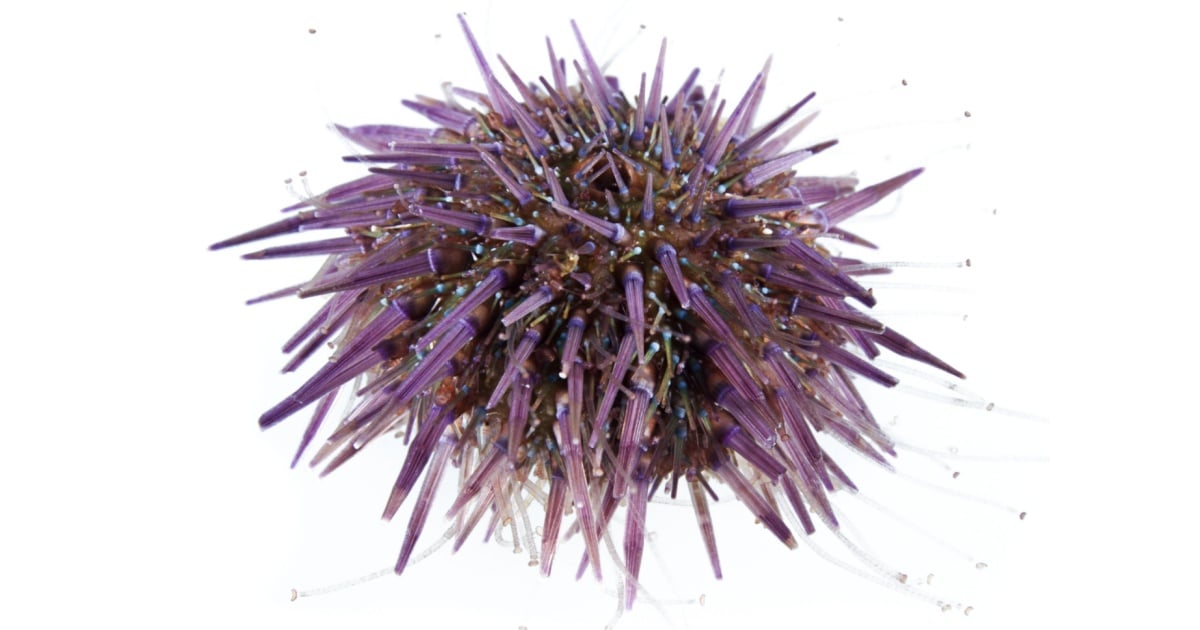
Physical Appearance: Sea Urchins are known for their globular shape and spiny exterior. Their body, or test, is covered in rigid spines that can vary in color—ranging from black and purple to red and green, depending on the species. These spines serve both as a defense mechanism against predators and as a tool for locomotion.
Habitat: Sea Urchins make their home across a variety of marine environments, from shallow seashores to the deep ocean floor. They are particularly common in rocky seabeds, coral reefs, and kelp forests, where they can anchor themselves securely and feed on algae or detritus.
Behavior: These creatures are primarily bottom-dwellers and are known for their role in bioerosion, breaking down organic and inorganic materials on the sea floor. Sea Urchins feed mainly on algae, which they graze using their unique mouth structure known as Aristotle’s lantern. This feeding activity is crucial in controlling algae growth and maintaining the balance within marine ecosystems.
Reproduction: Sea Urchins have an interesting reproductive strategy, releasing eggs and sperm into the water column in a process called spawning. This method allows for external fertilization. The resulting larvae are planktonic, drifting in the ocean currents before settling down and metamorphosing into the adult form.
Sea Urchins play a significant ecological role, contributing to the health of marine environments. However, in areas where their natural predators are scarce, they can become overpopulated, leading to overgrazing and damage to coral reefs and kelp forests.
Taste and Texture
Flavor Profile: The edible part of sea urchins, known as “uni” in culinary terms, is actually their gonads, which produce eggs or sperm. Uni has a distinctive, rich flavor often described as sweet, briny, and creamy, with a subtle ocean-like freshness. This unique taste profile makes it a prized ingredient in sushi and other seafood dishes.
Texture: Uni’s texture is soft, smooth, and somewhat custard-like, melting in the mouth with a luxurious feel. Its delicate consistency is highly valued, especially in raw preparations where the quality and freshness of the sea urchin can shine.
Culinary Uses: Sea urchin is most commonly consumed raw in sushi and sashimi, allowing its natural flavors to be appreciated fully. However, it’s also used in cooked dishes, such as pasta sauces or risottos, where it lends a depth of flavor that’s unparalleled. In some cultures, sea urchin is blended into sauces, spreads, or even incorporated into butter, showcasing its versatility in enhancing dishes with its unique taste and texture.
The appreciation for sea urchin’s flavor and texture extends beyond traditional uses, with chefs around the world experimenting with uni to create innovative dishes that highlight its luxurious qualities.
Interesting Facts
These facts underscore the fascinating nature of sea urchins, highlighting their unique adaptations, ecological role, and the delicate balance they maintain within marine ecosystems.
Nutritional Value
Sea urchins, particularly their gonads (uni), are not just a gourmet delicacy; they also offer notable nutritional benefits:
Incorporating sea urchin into your diet can offer a unique way to enjoy these nutritional benefits, whether enjoyed raw in sushi or used to enrich cooked dishes.
Cooking Methods
Sea urchins, known for their delicate flavor and texture, can be enjoyed in various ways:
When cooking with sea urchin, it’s important to use gentle heat and minimal cooking time to preserve its delicate flavor and texture. Freshness is also crucial, so it’s best enjoyed soon after purchase.
Substitutions for Sea Urchins
Finding a substitute for sea urchin (uni) can be challenging due to its unique flavor and texture. However, in recipes where uni plays a supportive role, here are some alternatives that might work:
While these substitutes can offer alternative textures or flavors, it’s important to remember that uni’s unique taste is difficult to replicate exactly. These options can help adapt recipes when sea urchin is not available.
Buying and Storage Tips
Selecting Fresh Sea Urchins:
- Freshness: Look for sea urchins that are sold live if possible; they should have a fresh sea smell, not fishy or ammoniacal. The spines should move slightly, indicating the sea urchin is alive.
- Appearance: Choose sea urchins with intact spines and a full, rounded-sm shape. Avoid any with broken shells or missing spines, as this could indicate poor handling or age.
Storing Sea Urchins:
- Live Sea Urchins: If you’ve purchased sea urchins live, they should be stored in the refrigerator and consumed within 1-2 days. Keep them in a breathable container, covered with a damp cloth to maintain humidity without soaking them.
- Uni (Sea Urchin Roe): Fresh uni should also be refrigerated and used as soon as possible, ideally within 24 hours. Store it in its original packaging or a covered container. If the uni is in a wooden box (a traditional method of packaging), it’s best to consume it within a day for optimal freshness.
Freezing Sea Urchins:
- Freezing is not recommended for live sea urchins or fresh uni, as it can significantly affect the texture and flavor. However, if necessary, frozen uni should be consumed within a month to minimize quality loss.
Tips for Enjoyment:
- Sea urchins are best enjoyed fresh to fully appreciate their delicate flavor and texture. When planning to consume sea urchins, consider purchasing them close to the day they will be served.
By following these tips, you can ensure the sea urchins you buy are fresh and stored properly, preserving their unique qualities for your culinary enjoyment.