Introduction: Prawns vs Shrimp — Decoding the Seafood Dilemma
Hello and welcome to our exploration of 'Prawns vs Shrimp' — a topic that often stirs up quite the debate among seafood lovers. It's a common scene at seafood markets and restaurants: people trying to figure out the difference between these two popular crustaceans. They look similar, and their names are frequently used interchangeably, but are they really the same?
In this guide, we're going to delve deep into the prawns vs shrimp debate. We'll uncover the distinct characteristics that set them apart and also look at what they have in common. From their appearance to their culinary uses, we'll cover it all.
Physical Differences: Prawns vs Shrimp
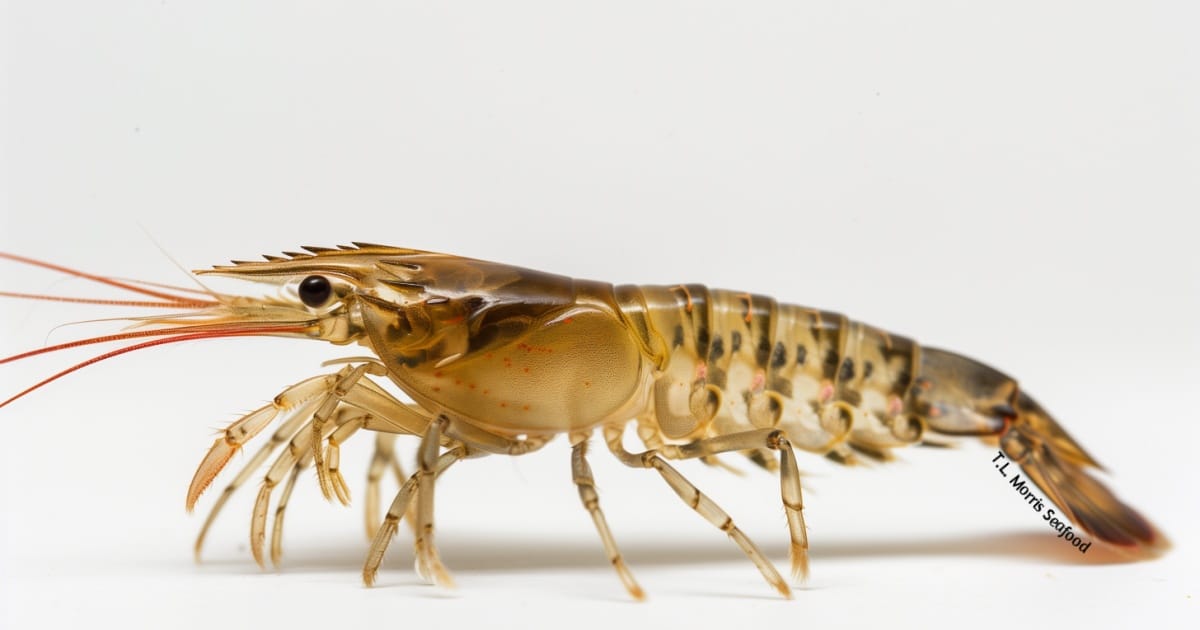
When it comes to distinguishing prawns from shrimp, their physical characteristics are a great place to start. While they may look similar at first glance, a closer inspection reveals some key differences.
First, let's talk about their size. Generally, prawns are larger than shrimp. However, this isn't a foolproof method for identification, as sizes can vary within each species.
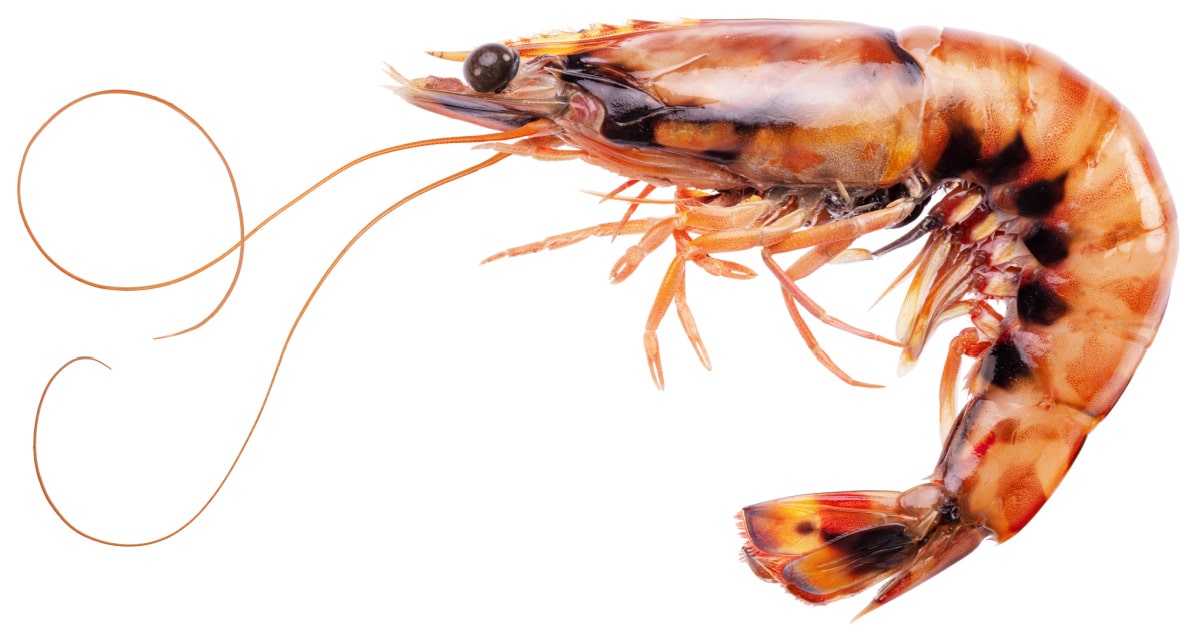
The more reliable differences lie in their body structure. Prawns have longer legs compared to shrimp, and their second pincers are larger than the front ones. Shrimp, on the other hand, have shorter legs and their front pincers are usually the biggest.
Another notable difference is in their shell segmentation. In prawns, the shell segments overlap differently than in shrimp. If you look closely, you'll notice that in prawns, each segment overlaps the one after it (like tiles on a roof), whereas in shrimp, the second segment overlaps both the first and third segments.
Lastly, their tails also differ. Prawns have a straighter tail, while shrimp tails are more curved. This is why shrimp often curl up when cooked.
Habitat and Behavior: Understanding Their Environments
The habitats and behaviors of prawns and shrimp are as distinct as their physical characteristics, playing a significant role in the 'Prawns vs Shrimp' discussion.
Prawns primarily inhabit freshwater environments, although some species can also be found in brackish waters. They tend to live in calm waters, like lakes and rivers, where they can burrow into the sediment. Prawns are often found in deeper water compared to shrimp. Their behavior is somewhat less aggressive than shrimp, and they are known for their nocturnal habits, being more active at night.
Shrimp, in contrast, are predominantly saltwater creatures, thriving in oceans around the world. They prefer shallower waters, often living on the ocean floor near the coastline. Shrimp are adaptable and can be found in a variety of marine environments, from warm tropical waters to colder regions. They are more aggressive and active than prawns, often seen scavenging for food during the day.
These differences in habitat and behavior influence not only their life cycles but also their availability and taste. For instance, the freshwater habitat of prawns contributes to their slightly sweeter flavor, while the oceanic home of shrimp gives them a saltier, more pronounced seafood taste.
Culinary Uses: Prawns vs Shrimp in Cooking
In the kitchen, the debate of 'Prawns vs Shrimp' takes on a delicious turn. Both are versatile and beloved in various cuisines, but their unique flavors and textures lend themselves to different culinary creations.
Prawns, with their slightly sweeter taste and firmer texture, are often the stars in dishes where they can be the main focus. They hold up well in stir-fries, curries, and pasta dishes. Prawns are also excellent when grilled or barbecued, as their larger size prevents them from drying out too quickly.
Shrimp, known for their more pronounced, briny flavor, are incredibly adaptable in cooking. They cook quickly, making them a convenient choice for fast and flavorful meals. Shrimp are perfect for dishes like shrimp tacos, paella, shrimp cocktail, and salads. Their smaller size and tender texture make them ideal for quick sautés, light grilling, or adding to soups and stews.
Both prawns and shrimp can be cooked with or without their shells, but cooking them in their shells can add extra flavor to the dish. The choice between prawns and shrimp often comes down to personal preference, the specific recipe, and the desired presentation.
Nutritional Comparison: Prawns vs Shrimp
When it comes to nutrition, both prawns and shrimp are excellent choices, packed with protein and low in calories. However, there are some subtle differences in their nutritional profiles that might influence your choice.
Prawns are a great source of protein, which is essential for muscle building and repair. They are also rich in selenium, an important antioxidant that helps in preventing cell damage. Prawns contain higher levels of certain minerals like phosphorus, which is vital for healthy bones and teeth, and copper, necessary for iron absorption and blood cell formation.
Shrimp, on the other hand, are renowned for their high levels of cholesterol. However, it's important to note that dietary cholesterol has less of an impact on blood cholesterol than previously thought. Shrimp are also an excellent source of vitamin B12, crucial for nerve health and metabolism, and iodine, necessary for thyroid function.
Both prawns and shrimp are low in fat and can be part of a healthy diet. They provide omega-3 fatty acids, known for their heart health benefits.
Taste and Texture
Shrimp are among the most popular seafood choices worldwide, known for their delicate taste and versatility in cooking. These small, decapod crustaceans can be found in various marine and freshwater habitats, serving as a crucial part of the ecosystem and a staple in culinary traditions across cultures.
Flavor Profile: Shrimp have a mild, slightly sweet flavor that makes them a favorite in diverse culinary traditions. Their taste is subtle enough to blend well with various ingredients and seasonings, yet distinctive enough to stand out in simple dishes.
Texture: The texture of shrimp is both tender and firm. When cooked properly, shrimp should be slightly crisp on the outside with a succulent, juicy interior. Overcooking can lead to a rubbery texture, so timing is key to achieving the perfect bite.
Culinary Uses: Shrimp's versatile taste and texture make them suitable for a wide range of dishes, from the classic shrimp cocktail to complex curries and stir-fries. They can be grilled, boiled, fried, sautéed, or baked, and are often used in salads, soups, pasta, and rice dishes.
Interesting Facts
1. Massive Migrations: Some species of shrimp participate in large-scale migrations. For example, certain deep-sea shrimp move vertically in the ocean daily, traveling from deep waters to feed near the surface at night, then back down at dawn.
2. Cleaning Service: Cleaner shrimp play an essential role in their ecosystem by removing parasites and dead tissue from fish. This symbiotic relationship benefits both parties and helps maintain healthy fish populations.
3. Color Change: Many shrimp can change color to blend with their environment. This camouflage helps protect them from predators and aids in their hunting strategy.
4. Lifespan: Depending on the species, shrimp can live from 1 to 6 years. Factors influencing their lifespan include habitat, predation, and environmental conditions.
Cooking Methods
Shrimp are incredibly versatile, making them a favorite ingredient in many culinary traditions. Here's how to bring out the best in shrimp through various cooking methods:
1. Boiling: Boiled shrimp are a classic. Simply add them to a pot of boiling, salted water (seasonings optional) for a few minutes until they turn pink and opaque. They're perfect for shrimp cocktails or salads.
2. Grilling: Grilled shrimp skewers are a summer favorite. Marinate your shrimp, then thread them onto skewers. Grill over medium heat until nicely charred and cooked through, turning once.
3. Sautéing: Sautéed shrimp can be ready in minutes, making them a quick and delicious option for pasta, tacos, or stir-fries. Cook them in a hot pan with a bit of oil and your choice of seasonings until they're pink and opaque.
4. Steaming: Steamed shrimp retain their natural flavor and tenderness, making this a healthy cooking method. At T.L. Morris Seafood, we steam wild jumbo shrimp daily with sweet onions, vinegar, and heavy J.O. seasoning.
Buying and Storage Tips
Selecting Fresh Shrimp:
- Appearance: Look for shrimp that appear moist and firm. The shells should be glossy and intact, without black spots or discoloration unless it's a characteristic of the species, like black tiger shrimp.
- Smell: Fresh shrimp should have a clean, slightly salty ocean smell. Avoid shrimp with ammonia-like or overly fishy odors, as these are signs of spoilage.
- Frozen Shrimp: When buying frozen, ensure the package is sealed well, without ice crystals or frost, which might indicate that the shrimp have been thawed and refrozen.
Storing Fresh Shrimp:
- Refrigeration: Place fresh shrimp in the coldest part of your refrigerator and use within 1-2 days. Keep them in a breathable container covered with ice, and drain any excess water regularly.
- Freezing: To freeze fresh shrimp, wash and pat them dry, then place them in a freezer bag or airtight container. Squeeze out as much air as possible to prevent freezer burn. Properly stored, shrimp can last up to 6 months in the freezer.
Prawns vs Shrimp: Common Misconceptions
A common myth is that prawns and shrimp are just different names for the same creature. While they are similar, as we've seen, they have distinct physical characteristics and different habitats. This misconception likely arises from regional language differences, where the terms are used interchangeably.
Another misunderstanding is that prawns are always larger than shrimp. While prawns are generally larger, size can vary greatly within each species, and there are instances where shrimp can be larger than some types of prawns.
It's also often believed that prawns taste significantly different from shrimp. While there are subtle flavor differences, these can be influenced more by their habitat and diet than by the species itself. Both prawns and shrimp offer a similar, delightful seafood flavor that is cherished globally.
Conclusion: Appreciating the Diversity of Seafood
In our journey through the 'Prawns vs Shrimp' exploration, we've uncovered the subtle yet significant differences between these two beloved seafood choices. From their distinct physical features and habitats to their unique culinary uses and nutritional profiles, prawns and shrimp each bring something special to the table.
Whether you prefer the slightly sweeter prawns or the briny flavor of shrimp, both are sure to provide a delightful culinary experience. See what's steaming today on our menu.