What is the Yellow Stuff in Crabs?
Hey there! Have you ever cracked open a crab and found some yellow stuff inside? It’s something that catches the eye of many crab lovers. You might wonder, “What is the yellow stuff in crabs?”
Well, you’re in the right place to find out. This yellow substance is not only common but also has its own unique name and purpose. In this post, we’re going to uncover everything about it.
From what it is, to why it’s there, and the big question: should you eat it? If you’re keen on crabs and eager to learn more about what you’re eating, stick around. We’re about to dive deep into the mystery of the yellow stuff in crabs.
Unveiling the Mystery: What is the Yellow Stuff in Crabs?
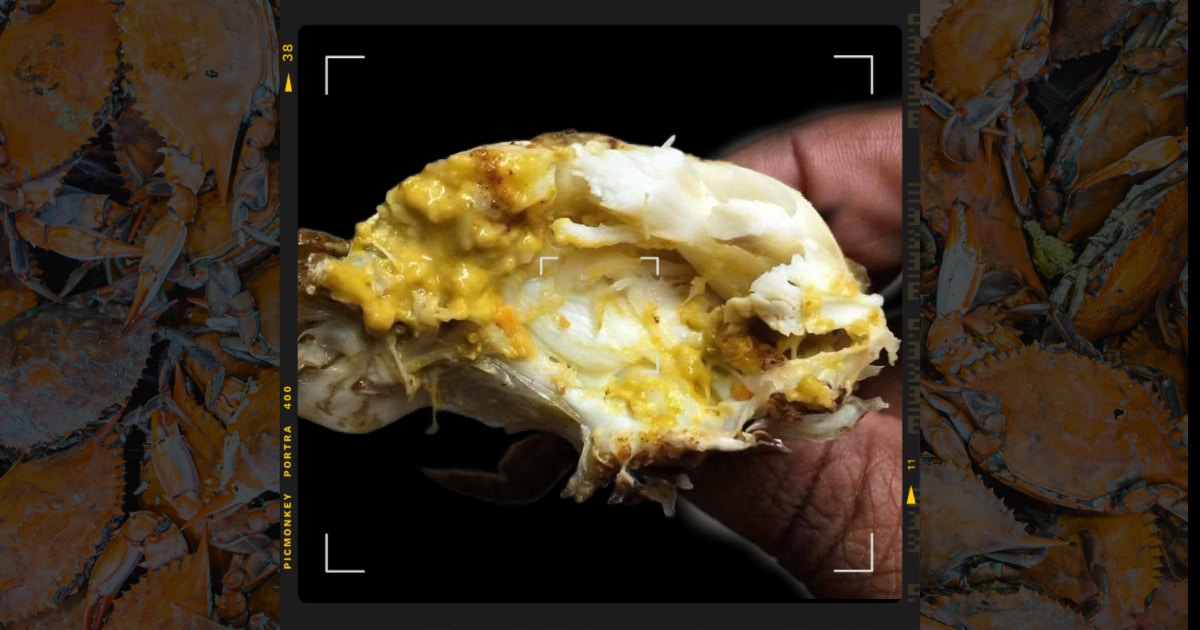
So, what exactly is this yellow stuff you find in crabs? This substance is known as “crab mustard” or “tomalley” in culinary terms. It’s not mustard, though, nor is it related to the condiment we all know.
Tomalley acts as the crab’s liver and pancreas, which might sound a bit odd at first. But in the world of crabs, it’s a crucial part of their system. This yellow stuff filters impurities from the crab’s blood, much like our liver does for us.
Now, you might be thinking, “Should I be eating something that filters impurities?” It’s a valid question. In many cultures, tomalley is considered a delicacy, prized for its rich flavor. It adds a depth to dishes that’s hard to replicate with any other ingredient.
But before you decide whether to try it or not, there’s more to learn about this intriguing part of the crab. Let’s keep exploring to find out how it’s used and what makes it so special in culinary traditions around the world.
Nutritional Insights: The Yellow Stuff in Crabs Explained
Now, let’s talk about whether the yellow stuff in crabs, the tomalley, is good for you. When it comes to nutrition, this part of the crab is quite interesting. It’s packed with flavors and nutrients, but it’s also something you want to consume in moderation.
Tomalley is rich in certain fats and vitamins that can be beneficial. For example, it contains omega-3 fatty acids, which are great for your heart health. It also has a good amount of vitamin B12, crucial for your nerves and blood cells.
However, because it acts as a filter for the crab, it can sometimes contain toxins from polluted waters. This doesn’t mean you should always avoid it, but it’s good to know where your crabs are coming from. Eating tomalley from crabs caught in clean, unpolluted waters is generally considered safe.
So, if you’re curious and want to try it, go ahead, but remember to enjoy it as a treat rather than a regular part of your diet. Next, we’ll dive into how you can identify and use this yellow stuff in your cooking, making your crab dishes even more delicious.
Identifying the Yellow Stuff in Crabs: A How-To Guide
Spotting the yellow stuff in crabs, also known as tomalley, is pretty straightforward once you know where to look. When you open up a cooked crab, you’ll find it in the body cavity, nestled between the shell and the meat. It’s that soft, richly colored paste that contrasts with the white meat.
If you’re planning to use tomalley in your cooking, here’s a simple guide to get you started:
Now, how do you use this in recipes? Tomalley can add depth to sauces and soups, giving them a unique, rich flavor. Try mixing it into a crab bisque or a seafood pasta sauce. Just remember, a little goes a long way because of its strong taste.
Before we move on, it’s worth noting that while tomalley can be a tasty addition to dishes, it’s best enjoyed in moderation due to potential toxins, as mentioned earlier. Always ensure your crabs come from clean, safe waters, especially if you’re planning to indulge in the tomalley.
The Biological Significance of Crabs' Yellow Stuff
Ever wondered why crabs have that yellow stuff, to begin with? This isn’t just a random feature; it plays a crucial role in the crab’s body. Known as tomalley, this substance serves as both the liver and pancreas for the crab, performing vital functions.
First off, the tomalley is key in the crab’s digestive process. It produces enzymes that help break down the crab’s food, making it easier to absorb nutrients. Think of it as the crab’s chemical processing plant, turning what it eats into useful energy and building blocks.
Moreover, the tomalley filters out toxins from the crab’s body, much like our liver does for us. This is why it can sometimes contain contaminants if the crab lives in polluted waters. It’s a crucial defense mechanism for the crab, keeping it healthy in its natural habitat.
Debunking Myths: The Truth About the Yellow Stuff in Crabs
There are quite a few myths floating around about the yellow stuff in crabs, also known as tomalley. Let’s clear up some of the confusion:
- Myth 1: Tomalley is harmful and should always be avoided. While it’s true that tomalley can contain toxins if the crab lives in polluted waters, it’s generally safe to eat in moderation from crabs caught in clean environments. The key is knowing the source of your crabs.
- Myth 2: Eating tomalley can make you sick. This myth is partially based on the fact that, like any organ that filters toxins, the tomalley can accumulate harmful substances. However, the risk is minimal for crabs from clean waters.
- Myth 3: Tomalley is just waste material. Actually, tomalley is rich in nutrients and serves important functions in the crab’s body. It’s not waste; it’s more like the crab’s liver and pancreas rolled into one.
To Eat or Not to Eat: The Safety of Crabs' Yellow Stuff
Deciding whether to eat the yellow stuff in crabs comes down to safety, moderation, and personal preference.
- Safety First: The main concern with consuming tomalley is the potential for it to contain toxins from polluted waters. Knowing the source of your crabs is crucial. Crabs from clean, unpolluted waters like the Choptank River are safe.
- Moderation is Key: Enjoying tomalley as an occasional delicacy rather than an everyday habit is good practice.
- Personal Preference: Some people love the rich, intense flavor tomalley adds to dishes, while others prefer to skip it due to its texture or taste.
Different Cultures View: What is the Yellow Stuff in Crabs
The yellow stuff in crabs, or tomalley, is viewed differently across the world, reflecting the diverse culinary traditions and preferences that vary from one culture to another.
- In Some Cultures, It’s a Delicacy: Many coastal communities, especially those in North America and parts of Asia, consider tomalley a delicacy. It’s often used to enrich sauces, soups, and stuffings, adding a depth of flavor that’s hard to replicate with any other ingredient.
- A Sign of Freshness and Quality: In some regions, the presence of vibrant, rich tomalley is a sign of a fresh and high-quality crab. Chefs and home cooks alike prize it for both its flavor and as a mark of a well-chosen crab.
- Health and Safety Concerns: While many enjoy tomalley, there’s also a cautious approach in some cultures due to potential health risks associated with pollutants. This has led to varied recommendations about consumption, with some advising against eating it, especially in areas where water pollution is a concern.
- Culinary Creativity: From a culinary perspective, tomalley is a versatile ingredient that inspires creativity in the kitchen. Whether it’s blended into a bisque, mixed into crab cakes, or simply spread on toast, it offers a unique taste experience.
Understanding these cultural perspectives enriches our appreciation of global culinary traditions and the place of crabs and their tomalley within them. It’s a reminder of the shared human experience of finding nourishment and pleasure in the natural world, while also highlighting the importance of sustainable and informed seafood consumption.
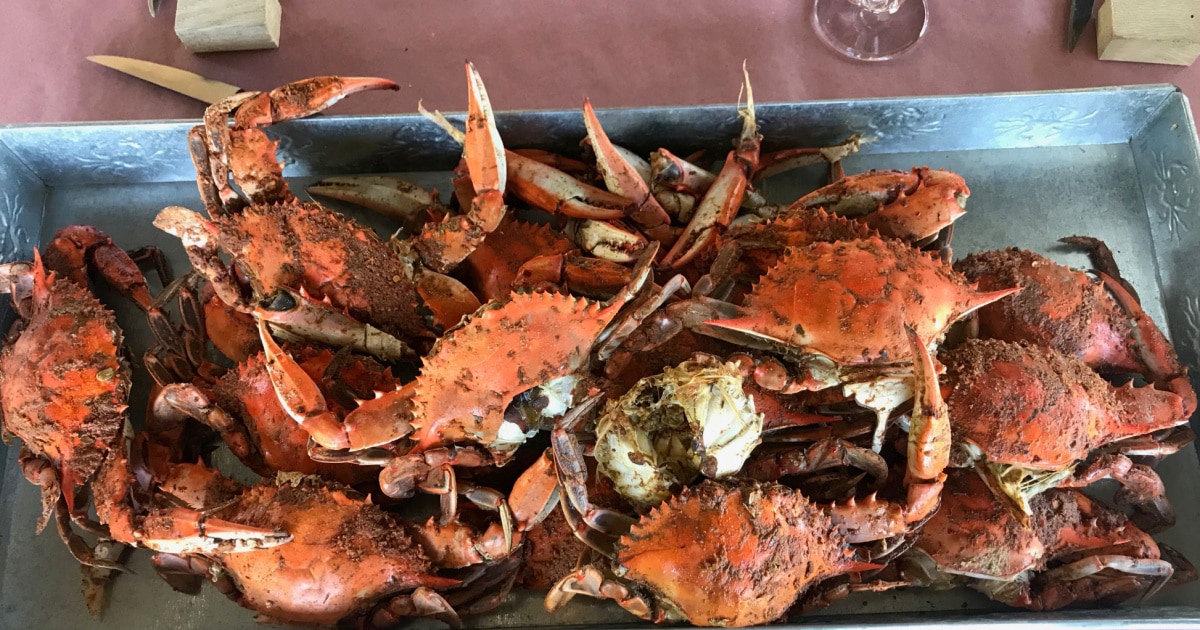
Preparing Crabs: Handling the Yellow Stuff
FAQs: What is the Yellow Stuff in Crabs?
Can you eat the yellow stuff in every type of crab?
Yes, most crabs have this yellow substance, which is their liver and pancreas. Always ensure the crabs are sourced from clean waters.
Does the yellow stuff in crabs taste good?
Taste is subjective, but many people find tomalley delicious, with a rich, concentrated crab flavor. It’s considered a delicacy in many culinary traditions.
Is it safe to eat the yellow stuff in crabs all the time?
While tomalley is safe to eat in moderation, it should be enjoyed occasionally, especially when crabs come from clean, pristine waters.
Cracking the Case: The Final Verdict on Crab's Yellow Mystery
Whether you decide to try tomalley or not, understanding this aspect of crabs enriches your knowledge of seafood and broadens your culinary horizons. Crabs offer a fascinating glimpse into marine life, and every part of the crab—from the sweet lump white meat to the rich tomalley—has its own place in Chesapeake culinary tradition!